
The Sobriety Shift: Why Alcohol Free is Winning
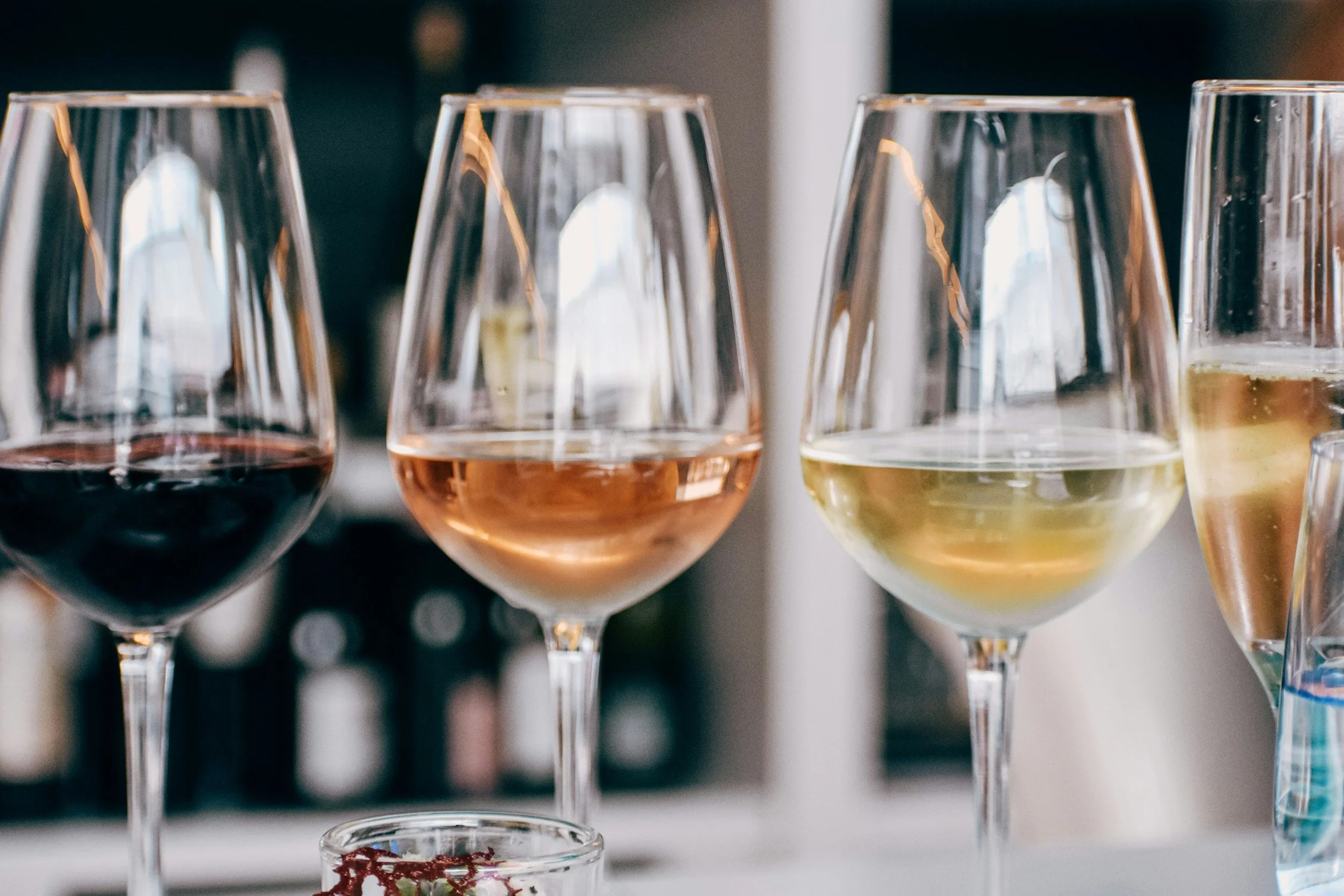
The move away from alcohol is not a quiet trend. It is a loud, structural overhaul of how people socialize. While the wine industry has long relied on the buzz to sell the bottle, a massive portion of the market now views that same buzz as a social and physical liability.
Here is why the glass is being emptied and what it means for the future of the cellar.
The New Social Currency
For a growing number of people, the ultimate luxury is no longer a rare vintage. It is mental clarity. The younger demographic in particular sees alcohol through a lens of risk management. In a world where every social interaction can be captured and shared instantly, the loss of control associated with drinking is a high price to pay.
This isn't about people becoming hermits. They still want the ritual of a drink in their hand. They still want the stemware and the complex aromatics. They just don't want the physiological tax that follows. The sober curious movement has evolved into a permanent lifestyle where drinkers zebra stripe their nights, alternating between full strength wine and high quality alternatives to stay at the party longer without the morning fog.
The Technology of Taste
The reason these alternatives are finally winning is simple: they actually taste like wine now. For years, removing alcohol meant destroying the soul of the liquid. The heat, the body, and the delicate floral notes were usually lost in the process.
Producers have pivoted to sophisticated methods like vacuum distillation and spinning cone columns. These techniques allow them to pull the alcohol out at much lower temperatures, which protects the volatile compounds that give wine its character. We are also seeing a rise in functional liquids. Brands are now infusing drinks with adaptogens, electrolytes, and botanicals. These additions aren't just trying to mimic a Merlot. They are creating an entirely new category of adult beverages that offer a feeling of relaxation or a gentle lift without a single gram of ethanol.
Survival of the Adaptable
For the traditional wine industry, this is a moment of extreme pressure. In major markets, volume sales for traditional wine are sliding while the 0.0% segment is seeing double digit growth. This has forced legacy wineries to make a choice.
The smartest players are diversifying. They are no longer just wine producers; they are beverage companies.
Many are launching zero-proof versions of their flagship labels to keep customers within their brand ecosystem.
Retailers are carving out massive amounts of shelf space for these products because they carry higher margins.
Unlike traditional wine, these options aren't subject to the same heavy excise taxes, making them a financial win for both the producer and the shop owner.
A Seat at Every Table
The true impact of this movement is inclusivity. For decades, if you weren't drinking, you were relegated to water or a sugary soda. The rise of sophisticated, dealcoholized options means that the teetotaler, the designated driver, and the health conscious diner can all participate in the toast.
The wine industry is realizing that its competition isn't just other wineries. It is the entire wellness economy. To survive, wine must move beyond being a delivery system for alcohol and become a provider of experience. Whether a bottle has 14% ABV or 0.0%, the modern consumer is looking for quality, transparency, and a drink that respects their lifestyle.