The Modern Cellar: How Wine Preferences are Evolving
The wine industry is currently navigating its most significant pivot in decades. While the act of drinking wine remains a timeless ritual, the why, where, and how of the purchase have undergone a radical transformation. As we move through 2026, the traditional reliance on legacy regions and "expert" scores is being replaced by a more complex matrix of personal values and lifestyle choices.
For decades, the industry relied on a top-down approach where critics dictated quality. That era has ended. Today's consumer is younger, more diverse, and possesses an unprecedented access to information. This shift has forced a total re-evaluation of what makes a bottle of wine valuable in the eyes of the person actually drinking it.
The Quality over Quantity Equation
The modern consumer is drinking less frequently, but they are spending significantly more per bottle when they do. This trend, often referred to as selective premiumization, is driven by a move toward mindful consumption. According to recent market data, volume declines in value-tier wines have been offset by consistent growth in the premium segment.
Consumers are increasingly differentiating between a basic commodity and a wine that offers a specific narrative or artisanal quality. The old habit of grabbing a cheap jug for a weeknight has been replaced by the intentional purchase of a mid-tier bottle that aligns with a healthier or more disciplined lifestyle. This isn't just a trend in high-income brackets; it is a cross-demographic shift where drinkers prioritize the experience of one great glass over three mediocre ones.
When the frequency of consumption drops, the pressure on the individual bottle to perform—both in taste and in shareability—increases exponentially. People are viewing wine as a treat rather than a daily staple.
Sustainability: Beyond the Buzzword
Environmental stewardship has moved from a niche marketing angle to a non-negotiable requirement for the modern buyer. A 2025 study on consumer behavior indicated that a vast majority of wine drinkers now look for eco-certifications before reaching for a bottle.
This shift is reshaping the physical product in three distinct ways:
Packaging Innovation: Large, heavy glass bottles were once the hallmark of luxury. Now, they are often viewed as an environmental liability due to their carbon footprint.
Farming Transparency: Buyers are looking for specific terms like regenerative or biodynamic rather than just natural.
Carbon Footprint: There is a rising interest in locally produced wines to minimize shipping distances, helping to boost domestic markets.
Consumers are finally savvy enough to spot greenwashing. They aren't just looking for a leaf icon on the label; they are looking for third-party certifications and transparent supply chains. They want to know that their purchase isn't contributing to the climate crisis, and they are willing to pay a premium for that peace of mind.
The Rise of the "Occasion-First" Buyer
Historically, wine was categorized and sold by region, such as Bordeaux or Napa Valley. However, today’s buyer often shops by the specific vibe or the intended occasion. This has birthed the moderation movement, where no-and-low alcohol options are no longer an afterthought.
Major global producers have invested heavily in dealcoholization technology to ensure these products maintain the structural integrity of traditional wine. This matters because the "occasion" often involves someone who wants the ritual of wine without the physiological effects of alcohol.
Brand loyalty to blue chip regions is softening as younger demographics prioritize adventure. There is a growing appetite for wines from emerging regions like Uruguay or Slovenia, which offer a sense of discovery that established regions sometimes lack. They aren't looking for a label to impress their boss; they are looking for a story to tell their friends. To win, wine must fit into the consumer's life—whether that is a picnic, a high-end dinner, or a post-workout celebration—without the intimidation factor that used to define the category.
Digital Discovery and the Phygital Path
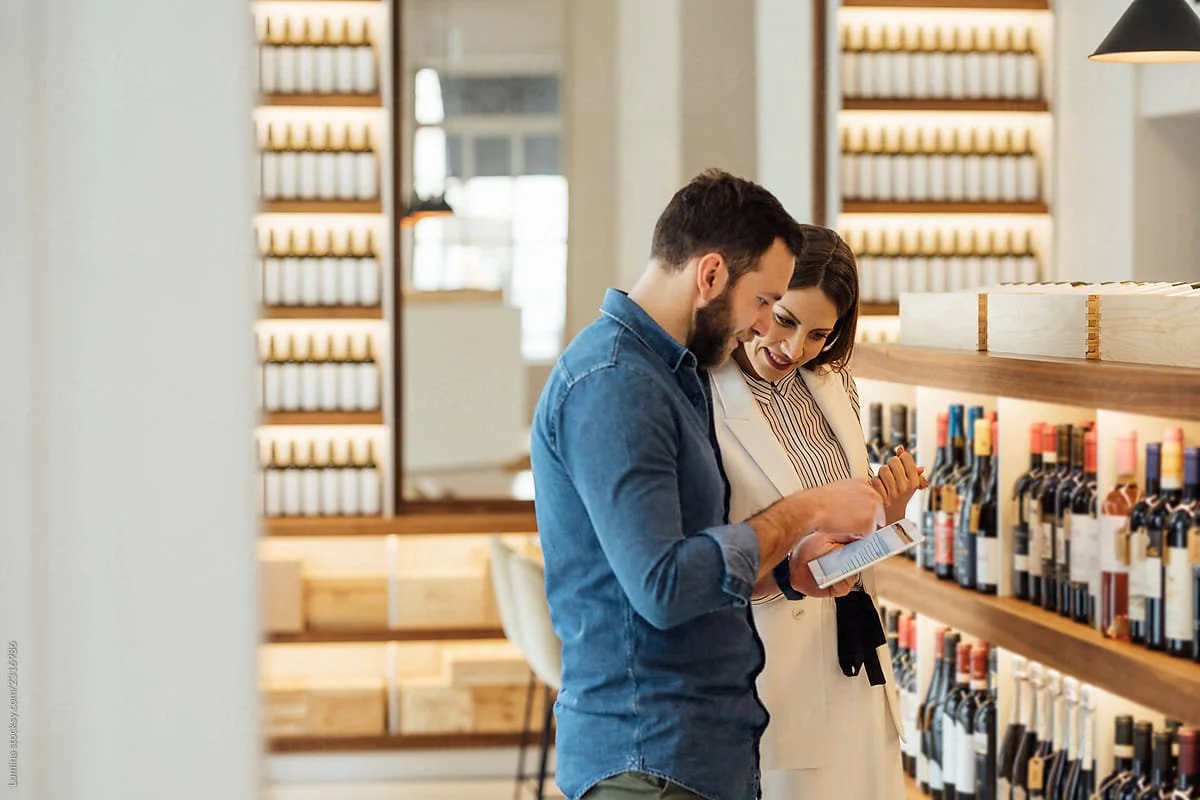
The journey from discovery to glass is no longer a linear path through a retail aisle. The modern cellar is frequently built through a smartphone. Digital discovery is fueled by peer-to-peer recommendation apps that provide instant social proof, effectively bypassing the traditional role of the critic.
This has led to a surge in direct-to-consumer sales, which now represent a majority share of revenue for many domestic wineries. Consumers are seeking a transparent connection to the source. They prefer to buy from brands that offer an insider experience or a clear window into their production process via digital platforms.
The successful wine brand of 2026 is one that lives where the consumer lives: online, on social media, and in their inbox with personalized offers. The ability to scan a QR code on a label and see the exact block of the vineyard where the grapes were grown is no longer a gimmick; it is a powerful tool for building trust in an increasingly skeptical market.
The Bottom Line
Success for producers in this climate does not come from a gold medal at a closed-door competition. Instead, it comes from proving relevance to the consumer’s daily life and their broader world view. The 2026 wine consumer is more educated, more skeptical of traditional marketing, and more concerned with the ethics of production than any generation prior.