Episode 6: Noah Friedman
Investing Beyond Alcohol
Venture investor Noah Sanborn Friedman is betting on the future of alcohol, nicotine, THC, and creator-led consumer brands. The co-founder of Top Shelf Ventures explains why RTDs, and wine-based DTC companies are creating big opportunities in consumer products right now.



About This Episode
Creator-led alcohol brands are no longer a gimmick. Noah Sanborn Friedman explains why audience conversion and retail velocity now matter more than traditional marketing. He also breaks down the explosive rise of nicotine pouches, the regulatory fight around THC beverages, and why he believes new consumer categories are creating massive opportunities across alcohol and vice investing.
Key Takeaways
- Creator-led brands only become sustainable businesses when repeat purchasing matches the initial audience hype.
- Wine-based alcohol brands benefit from DTC shipping infrastructure that allows earlier demand validation and customer acquisition.
- Nicotine pouches are evolving beyond smoking alternatives into a broader functional consumer category.
- THC beverage growth will depend heavily on whether regulators align distribution with existing alcohol retail systems.
- Legacy alcohol brands face increasing pressure as consumers shift toward creator-led, functional, and category-disrupting products.
Resources & Links
Episode Chapters
Episode Transcript
Andrew Allison: Welcome to Wine Country Business, the podcast exploring the strategy and trends shaping the global world of wine, spirits, and luxury hospitality. I'm your host, Andrew Allison, a third-generation Napa Valley native and exited startup founder.
Andrew Allison: I'm bringing you inside candid conversations with the business leaders defining our industry today. This show is brought to you by Top Shelf Ventures.
Andrew Allison: Top Shelf finds, funds, and accelerates the premier opportunities in the global alcohol and vice categories, led by industry experts with a track record of major acquisitions.
Andrew Allison: Their team acts as the catalyst for disruptive startups reaching for global scale. They don't just invest, they bring operational horsepower and a huge network to help entrepreneurs dominate their market.
Andrew Allison: I am so excited to catch up with this person because I've had an opportunity to interview them before. But let's take it from the top. Who are you and what do you do?
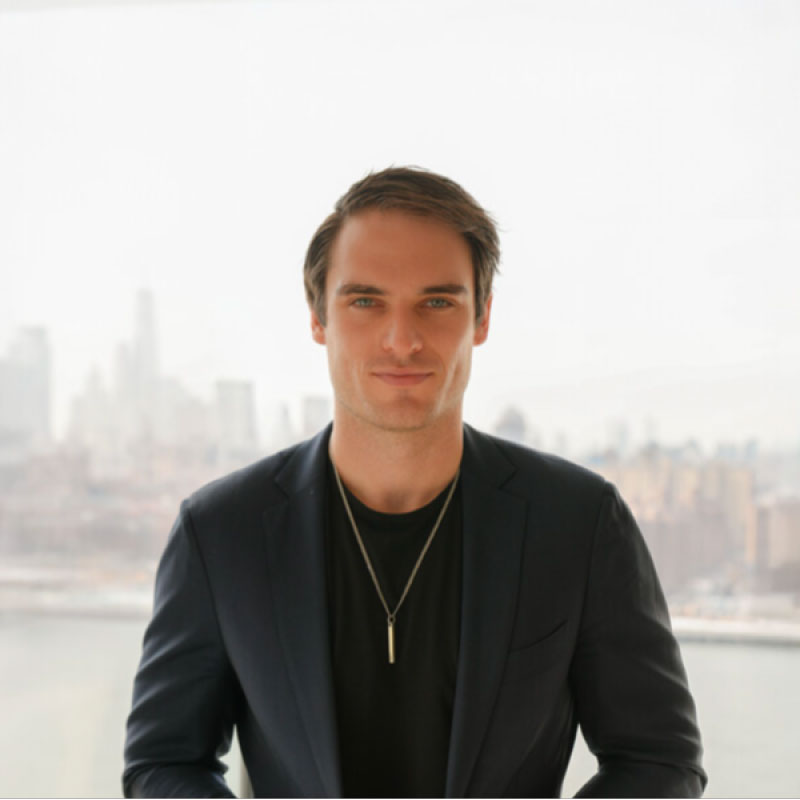
Noah Sanborn Friedman: My name's Noah Sanborn Friedman. I am the co-founder and managing partner of Top Shelf Ventures. We are one of the preeminent funds in the broader vice space, including alcohol, nicotine, THC, and adjacent consumer technologies.
Noah Sanborn Friedman: I started my career helping build a data company in the alcohol industry. We processed billions of dollars of receipt-level transaction data from independent retailers across the country.
Noah Sanborn Friedman: What became obvious to me was that alcohol is a massive multi-trillion-dollar industry with surprisingly little smart institutional money focused on it.
Noah Sanborn Friedman: I eventually partnered with Jason Sherman, who had been running M&A for AB InBev, and together we launched Top Shelf Ventures in 2022.
Andrew Allison: Tell us a little bit about the size of the fund and where things stand today.
Noah Sanborn Friedman: Fund one was around $8 million. Fund two has brought us over $30 million in assets under management. We've intentionally kept the fund disciplined and concentrated.
Andrew Allison: You recently made your first technology investment. Tell us about that.
Noah Sanborn Friedman: Our first technology investment is a company called Outer Signal. It's focused on marketing personalization and consumer intelligence.
Noah Sanborn Friedman: Most consumer brands know almost nothing about the people actually buying from them. They know a name, email, and shipping address, but not who the customer really is.
Noah Sanborn Friedman: True personalization should exist in the post-purchase world. That's the problem Outer Signal is solving.
Andrew Allison: Beyond alcohol and tech, you've expanded into other vice categories as well.
Noah Sanborn Friedman: One of our first non-alcohol investments was in the nicotine pouch space. I'm extremely bullish on that category.
Noah Sanborn Friedman: We've also invested in hemp THC. Unfortunately, recent regulatory changes have created uncertainty around the future of hemp THC beverages.
Noah Sanborn Friedman: I believe these products should sit on the alcohol industry's rails. They should be sold through licensed retailers with proper age gating, similar to alcohol.
Andrew Allison: What exactly changed with the regulations?
Noah Sanborn Friedman: The 2018 Farm Bill allowed certain concentrations of hemp THC to be sold federally. But a recent provision effectively started a one-year countdown toward outlawing hemp THC at the federal level unless new regulations are put into place.
Noah Sanborn Friedman: It's a shame because it's created a multi-billion-dollar market and a category consumers clearly want.
Andrew Allison: Let's jump into nicotine pouches. What makes this category so compelling?
Noah Sanborn Friedman: Zyn really put nicotine pouches on the map. Smoking is objectively terrible for you, but nicotine itself has very different characteristics than cigarettes.
Noah Sanborn Friedman: Nicotine pouches allow people to consume nicotine without inhaling smoke and carcinogens. The category has exploded post-COVID.
Noah Sanborn Friedman: We made a significant investment in Lucy, which I think is one of the strongest challengers to Zyn in the market today.
Andrew Allison: You've also invested in several creator-led alcohol brands.
Noah Sanborn Friedman: One company I'm very excited about is Grog, a wine-based RTD launched by the YouTube creators behind Cold Ones.
Noah Sanborn Friedman: They have a maniacal fan base. Consumers were literally lining up around the block to buy the product.
Noah Sanborn Friedman: I think there will absolutely be case studies written about what creator-led alcohol brands can become.
Andrew Allison: You also invested in Basic Sellers. How do you evaluate influencer-led opportunities?
Noah Sanborn Friedman: The question isn't just whether the creator is famous. The question is whether their audience is actually willing to buy products from them.
Noah Sanborn Friedman: Creators are very good at generating trial. What really matters is retention.
Noah Sanborn Friedman: Velocity and retention are the hero metrics that dictate everything we do.
Andrew Allison: Both of those brands happen to be wine-based. Is that intentional?
Noah Sanborn Friedman: Wine offers unique DTC advantages. It allows brands to test demand and validate consumer pull-through much faster than beer or spirits.
Noah Sanborn Friedman: That's one of the reasons companies like Gratsi have grown so quickly. They mastered DTC wine at a moment when many traditional wine brands still couldn't figure it out.
Andrew Allison: Looking ahead, what trends are you watching most closely in 2026?
Noah Sanborn Friedman: I think the idea that alcohol is dead is mostly nonsense. The industry is coming off COVID highs, but it's still a massive market with enormous opportunity.
Noah Sanborn Friedman: Consumers are looking for new alternatives. Better-for-you alcohol, wine-based RTDs, nicotine, THC beverages, and creator-led brands all continue to gain momentum.
Noah Sanborn Friedman: RTDs are crowded, but I think we're about to see a few breakout winners emerge.
Andrew Allison: Noah, always great to see you. Thank you so much for spending time with us today.
Noah Sanborn Friedman: Always a pleasure. Thanks for having me.
Latest Episodes